
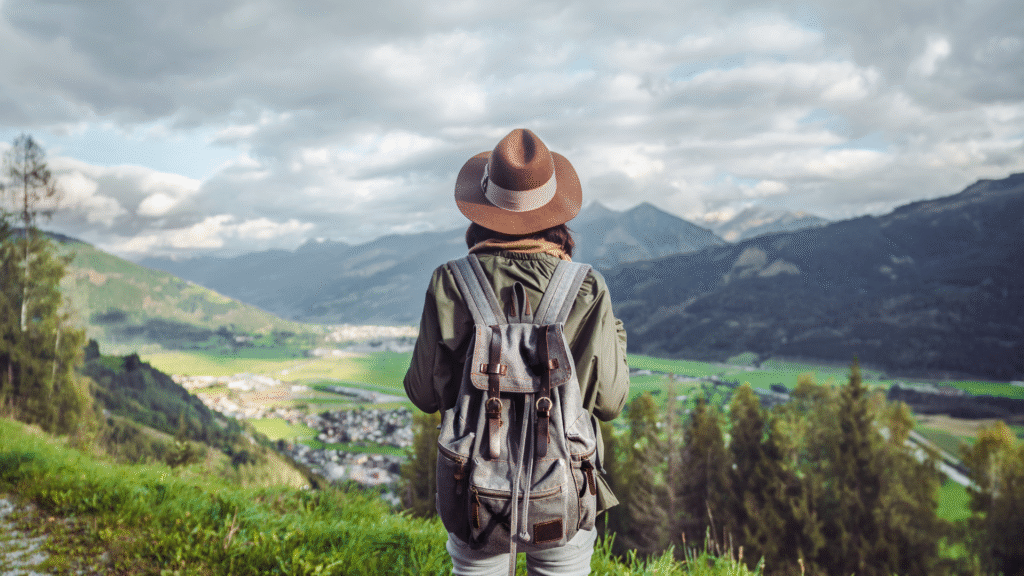
Many individuals find themselves overwhelmed by the demands of daily life. In such moments, the serenity of nature can provide a much-needed reprieve. Spending time outdoors not only calms the mind but also enhances focus and creativity, allowing one to reset and recharge.
Nature offers a variety of therapeutic elements: the tranquility of a forest, the rhythmic sound of waves, or the gentle rustle of leaves can all evoke a sense of peace. Engaging with these environments serves as a powerful antidote to mental clutter. Research shows that immersing oneself in natural settings can significantly reduce stress and improve cognitive performance.
By incorporating nature into one’s routine, individuals can find clarity and boost their mental well-being. Simple activities, such as walking in a park or gardening, can foster a profound connection to the world outside. This connection is essential for nurturing a balanced and focused mind.
The Science Behind Nature’s Impact on the Busy Mind
Research indicates that natural environments play a significant role in enhancing cognitive function and alleviating mental fatigue. The connection between nature and the brain involves complex interactions between environmental stimuli and physiological responses. This section explores how these factors contribute to mental health improvements.
How Natural Environments Influence Brain Function
Natural settings, such as green spaces, stimulate cognitive restoration. Studies reveal that exposure to nature can enhance focus and attention by providing a break from overstimulating environments. This is particularly relevant in urban areas where constant stimuli can overwhelm the mind.
Environmental elements like trees, water, and open skies contribute to this effect. They evoke feelings of tranquility and can significantly lower levels of the stress hormone cortisol. Engaging with nature not only fosters mental clarity but also boosts creativity.
The Role of the Nervous System in Stress Response
The nervous system’s interaction with nature is vital for managing stress. The sympathetic nervous system activates during stressful situations, increasing heart rate and cortisol levels. Conversely, spending time in calming natural environments triggers the parasympathetic nervous system, promoting relaxation.
This shift assists in reducing anxiety and restoring a sense of balance. Neuroscientific studies indicate that individuals who frequently engage with nature report lower stress levels and improved emotional well-being, thereby influencing overall mental health positively.
Soft Fascination and Restorative Attention in Nature
Soft fascination refers to nature’s ability to capture attention gently without overwhelming the mind. This contrasts with the hard fascination of busy urban settings, which can lead to mental fatigue.
Nature encourages restorative attention, allowing the mind to relax while still processing visual stimuli. This phenomenon enables individuals to recover from cognitive exertion and foster greater mental clarity. Engaging with nature, therefore, becomes a crucial strategy in enhancing cognitive function and promoting emotional stability.
Benefits of Nature Exposure for Mental Clarity
Nature exposure offers significant advantages for mental clarity, primarily by reducing stress, enhancing emotional well-being, and boosting mindfulness and creativity. Engaging with the natural environment can lead to profound changes in mental health.
Reducing Stress and Anxiety Through Nature
Natural settings have a unique ability to lower stress levels. Studies show that spending time outdoors reduces cortisol levels, a hormone linked to stress.
A walk in the park or sitting by a lake can shift focus away from daily worries. Such environments encourage relaxation, providing a calming effect that helps alleviate anxiety.
Nature also minimizes ruminative thoughts. Engaging with green spaces encourages individuals to let go of persistent, negative thinking. This reduction in mental clutter aids in achieving greater mental clarity.
Enhancing Emotional and Mental Well-Being
Exposure to nature can significantly enhance emotional well-being. Interacting with natural environments fosters positive feelings, contributing to an uplifted mood.
Increased exposure to sunlight can boost serotonin levels, a neurotransmitter associated with happiness. This natural mood regulation can help combat feelings of depression.
Moreover, nature provides a sense of connection and belonging. Individuals often experience a sense of peace that enhances mental wellness. This connection can lead to better coping strategies, improving resilience against mental health conditions.
Boosting Mindfulness and Creativity
Nature encourages mindfulness, which is critical for achieving mental clarity. The sights and sounds of the outdoors can help individuals focus on the present moment, reducing distractions.
Mindfulness practices facilitated by natural settings have been shown to spark creativity. People may find that ideas and solutions come more easily when surrounded by nature, as their minds are less cluttered.
Additionally, nature inspires fresh perspectives. This immersion can lead to innovative thoughts and problem-solving capabilities. The tranquil atmosphere often encourages deeper thinking, promoting cognitive flexibility and enhancing creative output.
Practical Ways to Reset Your Mind Using Nature
Nature offers various methods for mental refreshment. Engaging with the natural world can enhance well-being, support stress relief, and improve overall mental clarity.
Nature Walks and Forest Bathing
Walking in nature can significantly affect mental clarity. Nature walks allow individuals to disconnect from daily stresses and immerse themselves in calming environments.
Forest bathing, known as shinrin-yoku, is a Japanese practice that encourages deep interactions with nature. It includes taking leisurely walks and consciously engaging the senses. Individuals can experience improved air quality and reduced stress levels.
Studies have shown that these practices enhance mental focus and boost productivity. Set aside time regularly to explore local parks or forests.
Gardening and Sensory Immersion
Gardening serves as an effective way to connect with nature. Hands-on activities can engage multiple senses and promote mindfulness. Engaging with soil, plants, and herbs creates a therapeutic experience.
A community garden can also foster social connections. It provides opportunities for collaboration and shared experiences. The act of nurturing plants can positively impact mood and reduce anxiety.
Furthermore, gardening has physical benefits, such as improved immune system function through exposure to beneficial microbes. It can also enhance sleep quality by promoting a sense of accomplishment and calm.
Incorporating Green Spaces into Urban Life
Urban environments can often feel overwhelming. However, incorporating green spaces helps in mitigating the impact of city living. Access to parks and gardens contributes to better mental health.
Utilizing rooftops or balconies for small gardens can create personal oases. These spaces offer a refuge from noise and activity. Spending time outdoors, even in limited green areas, can enhance well-being and offer a break from artificial stimuli.
Seeking out parks with abundant plant life allows for relaxation and rejuvenation. Simple activities such as reading or meditating outdoors can enhance mental clarity.
Outdoor Activities for Ongoing Stress Relief
Engaging in outdoor activities can provide continuous benefits for mental health. Options like hiking, cycling, or birdwatching encourage movement and fresh air. These activities also promote stress relief.
Connecting with nature through sports or leisure can create a balanced lifestyle. The combination of physical exercise and scenic surroundings has been linked to reduced stress.
To maintain the benefits of these activities, individuals should make them a regular part of their routine. Scheduling outdoor time can foster more consistent exposure to nature, enhancing productivity and mental clarity.
Long-Term Effects and Considerations
Nature’s influence on mental health extends beyond immediate relief to address long-term effects, particularly in urban settings. Increased exposure to nature can mitigate issues such as PTSD and mental fatigue, promoting sustained mental clarity over time.
Urban Environments and Nature Deficit
Urban environments often feature limited access to natural spaces, leading to a phenomenon known as nature deficit. This lack of exposure can contribute to heightened stress and impairments in mental clarity. A meta-analysis of studies indicates that individuals residing in cities with more green spaces report better mental well-being.
- PTSD Management: Access to nature can assist in alleviating symptoms of PTSD. Green environments promote relaxation and reduce hyperarousal, which is vital for healing.
- Mental Fatigue: Regular escapes into nature can counteract the mental exhaustion associated with urban living. Opportunities for brief nature breaks are essential for recovery.
Sustaining Mental Clarity in a Modern World
Maintaining mental clarity in a fast-paced environment requires conscious effort. Nature exposure plays a critical role in this area by providing restorative experiences.
- Natural Interventions: Engaging with natural settings can decrease cognitive load. People who incorporate nature into their routines often experience improved focus and problem-solving abilities.
- Routine Integration: Establishing regular nature visits promotes resilience against mental fatigue. Simple activities like walking in a park or urban gardening can foster ongoing mental clarity.
These considerations underscore the importance of incorporating nature into daily life for improved mental health and sustained clarity in an often overwhelming modern world.