
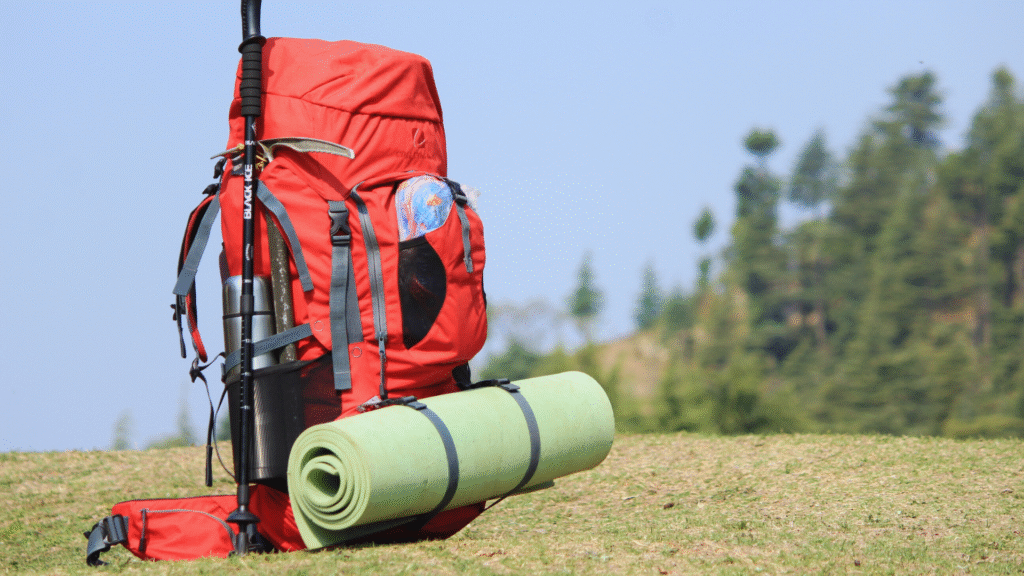
For anyone venturing into the great outdoors, whether hiking through rugged trails or camping under a starlit sky, having the right equipment is crucial. Essential equipment includes items such as a reliable backpack, appropriate footwear, and necessary safety tools to ensure a seamless adventure. These essentials not only enhance comfort but also promote safety while exploring nature.
Understanding the core items commonly referred to as the “ten essentials” can make a significant difference. These items encompass navigation tools, hydration sources, clothing layers, and first aid supplies, equipping outdoor enthusiasts to tackle both planned hikes and unexpected challenges. Ensuring one is prepared with the right hiking gear can elevate the overall experience and reduce potential risks.
With a clear focus on practicality and preparedness, this guide will outline the fundamental equipment every hiker and camper should consider. By pinpointing key tools and gear, individuals can confidently approach their outdoor adventures while enjoying the beauty and tranquility that nature offers.
Core Hiking and Camping Gear
Selecting the right gear is crucial for a successful hiking or camping experience. Essential items include backpacks for efficient packing and proper footwear to ensure comfort and safety on the trail. Additionally, appropriate clothing can help regulate body temperature and protect against adverse weather.
Essential Backpacks and Packing Solutions
A suitable backpack is key to a hiker’s comfort. Daypacks, typically 20-30 liters, are adequate for short hikes, while multi-day trips require backpacks of 50 liters or more.
When choosing a backpack, consider the following features:
- Fit: Opt for a pack that matches the torso length.
- Adjustable Straps: Look for padded shoulder straps and a hip belt for weight distribution.
- Pockets: Side pockets and a front mesh pouch provide easy access to essentials.
Packing Tips:
- Place heavier items close to the back for stability.
- Utilize compression sacks for clothing to maximize space.
Proper Footwear for the Trail
Choosing the right footwear can significantly affect performance and comfort. Hiking boots offer ankle support and durability, while hiking shoes provide lightweight alternatives for easy terrain.
Consider these factors:
- Fit: Shoes should neither be too tight nor too loose; try them with the socks planned for the hike.
- Material: Breathable, waterproof materials are effective in varying conditions.
- Grip: Look for deep lugs on outsoles for traction on uneven terrain.
Socks Matter:
Wool or synthetic socks wick away moisture and cushion against blisters. Gaiters can help keep debris out and protect the lower legs.
Clothing and Layering Basics
Layering clothing is essential for adapting to temperature changes and activity levels. Start with a moisture-wicking base layer to keep sweat away from the body.
Core Layering Components:
- Base Layer: Choose materials like merino wool or synthetic blends.
- Insulation Layer: Fleece or down jackets retain heat without bulk; opt for lightweight options.
- Outer Layer: Waterproof and windproof shells protect against the elements.
Include extra clothing layers such as gloves, hats, and rain gear to prepare for unpredictable weather. A good set of extra clothes ensures comfort and safety during your outdoor adventures.
Navigation and Safety Essentials
Navigating through the outdoors requires reliable tools and preparation for emergencies. Having the right equipment ensures safety and confidence, whether exploring trails or remote backcountry areas.
Reliable Navigation Tools
Effective navigation relies on a combination of traditional and modern tools. A map and compass are fundamental for personal navigation, providing essential orientation and route planning. Topographic maps highlight terrain features, helping to identify elevation changes and landmark points.
GPS devices and navigation apps, such as AllTrails, offer added convenience. They often include features like tracking and waypoint marking. These tools can help hikers stay on course, especially in unfamiliar territory. Maintaining knowledge of how to read maps, even when using technology, is crucial for safety.
First Aid and Emergency Preparedness
A well-stocked first-aid kit is essential for treating minor injuries. Key items include adhesive bandages, antiseptic wipes, and gauze. It’s important to customize the kit based on the specific needs of the group.
Preparedness for emergency situations is equally vital. Knowing how to handle common injuries and carrying a survival manual can be beneficial. Additionally, including an emergency shelter—such as a space blanket or bivvy sack—can provide protection in unexpected circumstances.
Training in first aid and CPR can make a significant difference in critical situations. Understanding the functions of each component in the first-aid kit enhances effective response during medical emergencies.
Communication and Signaling Devices
In outdoor environments, communication methods are essential for safety. Satellite messengers and personal locator beacons (PLBs) allow hikers to send distress signals when needed. These devices can communicate with rescue services, providing GPS coordinates for quick assistance.
A whistle is a simple yet effective tool for signaling nearby hikers. Three blasts from a whistle generally indicate distress and can be heard over long distances. Carrying a cell phone as a secondary communication device is beneficial, but it is not always reliable in remote areas due to poor reception.
Each of these tools and preparations plays a crucial role in ensuring safety. Collectively, they empower hikers and campers to navigate with confidence and respond effectively in emergencies.
Camping Essentials and Outdoor Comfort
Camping requires careful planning and selection of equipment to ensure comfort and convenience. Key components such as shelter, cooking gear, and maintenance tools play important roles in creating a positive outdoor experience.
Shelter and Sleeping Systems
Choosing the right shelter is crucial for a comfortable camping experience. A lightweight tent is ideal for backpackers, balancing portability and protection from the elements. For minimalist campers, a bivy sack may provide sufficient shelter while saving weight.
Sleeping bags should be selected based on temperature ratings and packability. Insulation type, whether synthetic or down, impacts warmth and weight. Adding a sleeping pad for insulation and comfort can enhance sleep quality significantly.
Camp Cooking and Nutrition
Proper nutrition fuels outdoor activities. A portable camp stove is essential for cooking meals and boiling water. When planning menu items, consider calorie-dense options like energy bars and trail mix that are easy to pack and consume.
Bringing extra food ensures that hikers have sufficient energy throughout their trip. Utilizing biodegradable soap supports environmental responsibility when cleaning cooking utensils and dishes. Meal planning should accommodate a balance of proteins, carbohydrates, and fats for optimal nutrition.
Gear Maintenance and Repairs
To maintain outdoor gear, a repair kit is essential. It should include adhesive patches, extra straps, and sewing materials for quick fixes. A multi-tool or knife can aid in repairs and facilitate food preparation.
Carrying basic tools in the gear repair kit will enable campers to troubleshoot issues efficiently. Regular inspections of equipment before a trip can prevent unexpected failures. If a camera is brought along for capturing memories, ensure it is well-protected to avoid damage during outdoor activities.
Hydration, Illumination, and Sun Protection
Ensuring proper hydration, illumination, and sun protection is crucial for any hiking or camping adventure. Adequate preparation in these areas can enhance safety and comfort, making the experience more enjoyable.
Water Storage and Filtration
Hydration is essential while hiking or camping. A durable water bottle or an insulated water bottle is recommended to keep water cool. For longer trips, carrying a portable water filter allows for the collection of extra water from natural sources, ensuring a sufficient supply.
Types of water filtration systems include:
- Inline filters: Attach to hydration packs.
- Gravity filters: Ideal for group use.
- Straw filters: Convenient for quick sips from streams.
Each filter type has its advantages. It’s important to choose based on specific needs and the environment.
Lighting and Power Solutions
Illumination is necessary for safety and visibility during nighttime activities. A headlamp is a practical choice as it keeps hands free, while a flashlight can serve as a backup. Both should be lightweight and energy-efficient.
It’s wise to carry extra batteries to ensure devices remain operational. Additionally, a power bank can recharge electronic devices, which is particularly useful for longer trips. Consider the following lighting options:
- LED lights: Long battery life and brightness.
- Solar-powered lanterns: Eco-friendly for campsite use.
Sun and Insect Protection
Protecting against sun exposure is vital to prevent sunburn and long-term skin damage. Sunscreen with a minimum SPF of 30 should be applied regularly, especially during peak hours. Wearing a wide-brimmed hat and UV-blocking sunglasses can further shield you from harmful rays.
Insect repellent is crucial in areas with high bug activity. Look for repellents containing DEET or Picaridin, which are effective against biting insects. Before embarking on an adventure, packing these items can significantly enhance comfort and safety.