
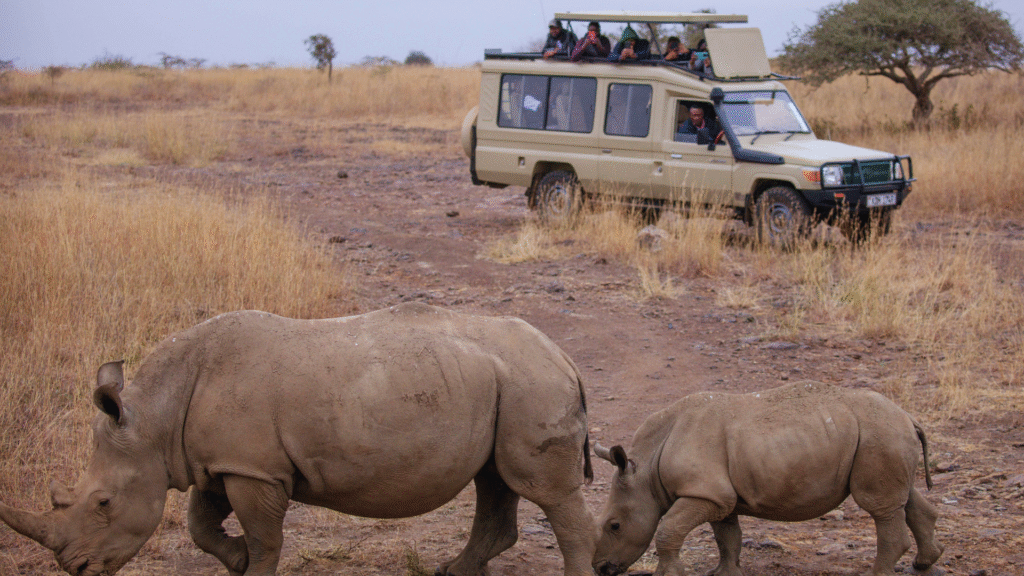
Ethical wildlife observation encourages an appreciation for nature while ensuring the well-being of animals and their habitats. By following best practices and guidelines, individuals can enjoy observing wildlife responsibly, minimizing their impact on ecosystems. This guide will explore essential principles and actionable tips for anyone looking to engage in wildlife observation without compromising ethical standards.
Understanding the delicate balance of nature is crucial. Observers must respect animal behavior and avoid invasive practices that disturb wildlife. Various techniques can enhance the experience, such as observing from a distance and avoiding the use of bait to attract animals.
This guide aims to educate readers on the importance of ethical wildlife observation for conservation efforts. By adopting responsible behaviors, individuals contribute to protecting ecosystems while enjoying the beauty of wildlife.
Core Principles of Ethical Wildlife Observation
Ethical wildlife observation prioritizes the well-being of animals and their habitats. Key principles guide observers in minimizing stress and disruption during wildlife encounters.
Minimizing Disturbance to Wildlife
Wildlife observation should focus on minimizing any possible disturbance. This can be achieved by maintaining a respectful distance. Approaching too closely can cause animals to flee or alter their natural behaviors.
Use binoculars or telephoto lenses to observe from afar. Staying on established trails also helps protect habitats and reduce disturbances. Avoid loud noises or sudden movements, as these can startle animals, leading to stress.
In practices such as responsible wildlife watching, individuals should also limit the time spent near sensitive species, particularly during critical periods like nesting or feeding. Taking care not to block animal pathways is essential, as it helps maintain natural movement patterns.
Understanding Animal Behavior and Stress Signals
Recognizing animal behavior is crucial for ethical observation. Different species display unique signs of stress, including changes in posture, vocalizations, or movements. Observers must learn these signals to avoid causing undue anxiety.
For instance, a raised tail in certain mammals may indicate agitation. Similarly, retreating or hiding behaviors suggest that an animal feels threatened. Remaining observant allows individuals to adjust their actions accordingly.
Understanding the natural behaviors of various species promotes respectful interactions. By anticipating potential stressors, observers can plan their encounters to ensure a more humane experience for the animals involved.
Respecting Boundaries and Safe Distances
Every species has boundaries that should not be crossed. Maintaining safe distances is vital in ethical wildlife observation. Approaching too closely can disrupt animal activities and lead to harmful situations.
Researching the specific needs and behaviors of the species being observed is essential. Some animals may require more space than others. Displaying patience and allowing wildlife to approach naturally can enhance encounters without causing stress.
In practice, using guidelines provided by wildlife organizations can ensure adherence to ethical standards. Respecting these boundaries fosters a better relationship between humans and wildlife, helping to protect animal welfare in the long term.
Conservation and Environmental Impact
Ethical wildlife observation plays a crucial role in supporting conservation initiatives while minimizing environmental degradation. It emphasizes responsible practices that benefit both wildlife and local communities.
Supporting Wildlife Conservation Efforts
Engaging in ethical wildlife observation fosters direct support for wildlife conservation initiatives. By participating in tours run by reputable organizations, observers contribute financially to conservation projects.
These projects may include habitat restoration, anti-poaching efforts, and species monitoring. Such activities are essential for maintaining biodiversity and ensuring the survival of various species.
Furthermore, travelers often learn about local conservation challenges. Increased awareness can lead to stronger advocacy for wildlife protection from both locals and tourists.
Reducing Environmental Impact
Practicing ethical wildlife observation can significantly reduce environmental impact. Tourists are encouraged to avoid disruptive behaviors, such as feeding or approaching wildlife.
Staying on marked paths prevents damage to sensitive ecosystems.
Adopting sustainable tourism practices, such as minimizing waste and using eco-friendly accommodations, also plays a part. Awareness of the carbon footprint associated with travel can lead to more eco-conscious decisions.
Responsible observers typically advocate for conservation education, which influences their travel choices. Choosing local guides can enhance the economic benefits to communities while ensuring sustainable practices are employed.
Role of Local Communities in Conservation
Local communities are vital to successful conservation efforts. They possess knowledge about local ecosystems and species, which is invaluable for effective wildlife management.
Supporting community-based initiatives empowers locals to protect their natural resources. This can be through ecotourism ventures that offer sustainable income while preserving habitats.
Involving communities in conservation planning encourages stewardship. When locals benefit from wildlife through tourism, they are more likely to advocate for ecosystem health.
Ethical wildlife observation cultivates a relationship between tourists and communities, reinforcing shared values of conservation and sustainability.
Best Practices and Equipment for Low-Impact Wildlife Viewing
Responsible wildlife observation enhances the experience while minimizing negative impacts on the animals and their habitats. Having the right tools and techniques is crucial for effective and ethical wildlife viewing.
Choosing Essential Observation Tools
Selecting appropriate tools can significantly enhance wildlife watching. Binoculars are indispensable for getting a closer look without disrupting animals. A good choice features a magnification of 8x to 10x and an objective lens diameter of 32mm to 42mm for optimal light transmission.
For those interested in wildlife photography, telephoto lenses are vital. A lens with a focal length of at least 300mm allows for capturing images from a safe distance. It’s important to choose lenses with image stabilization features to reduce blurriness and enhance photo quality.
Lastly, don’t forget to pack a field guide. This helps with identifying species and understanding their behavior, contributing to a more enriching experience.
Ethical Wildlife Photography Techniques
Capturing wildlife images ethically requires several key techniques. Maintaining a respectful distance is critical; photographers should avoid invading an animal’s personal space. This helps to prevent stress and altercations in natural behaviors.
Using a silent shutter mode on cameras can reduce noise, minimizing disturbances to animals. Utilizing natural light during golden hours, early morning, or late afternoon, not only enhances photos but also respects wildlife’s routines.
Before taking shots, consider the animal’s behavior. If it appears agitated or tries to flee, it’s best to back off. Patience is paramount; waiting for animals to become comfortable can yield more genuine and impactful images.
Using Viewing Platforms and Nature Trails
Viewing platforms and established nature trails are designed for low-impact wildlife observation. These locations offer excellent visibility while minimizing the risk of disturbing the environment.
When using a viewing platform, visitors should remain stationary and quiet, allowing wildlife to behave naturally. It’s beneficial to arrive early for a better chance of observing active animals.
On nature trails, sticking to designated paths is essential. This helps protect sensitive habitats and prevents damaging plant life. Utilizing signs and guideposts ensures compliance with local regulations, fostering responsible wildlife tour practices.
Responsible Tourism and Destinations
Responsible tourism emphasizes minimizing negative impacts on wildlife and habitats while enhancing the visitor experience. Choosing the right operators, adhering to regulations, and selecting destinations committed to ethical practices significantly contribute to wildlife conservation.
Selecting Ethical Wildlife Tours and Operators
When selecting wildlife tours, research operators that prioritize ethical practices. Look for organizations that offer small group sizes, ensuring minimal disturbance to animals. Operators should adhere to guidelines set by associations like the Global Sustainable Tourism Council.
Inspect their policies on animal interactions. Responsible operators never allow direct interactions that could harm wildlife. Review testimonials and ratings for insights into their practices. Certifications from reputable conservation bodies indicate a commitment to ethical standards and sustainability.
Understanding Regulations and Certifications
Familiarity with local regulations is critical. Different regions have specific rules that govern wildlife observation. For instance, national parks often enforce strict guidelines to ensure safety and conservation.
Verify operators hold the necessary permits and follow local laws. Certifications from organizations that monitor wildlife tourism can provide additional assurance. For example, ensure that tours comply with the ethical standards of the Global Sustainable Tourism Council.
Top Destinations for Ethical Wildlife Encounters
Choosing the right destination is essential for responsible wildlife tourism. Various locations are recognized for their commitment to conservation and sustainable practices.
- Nature reserves and wildlife refuges usually offer well-regulated environments for observing wildlife.
- Destinations such as Costa Rica prioritize eco-tourism and conservation.
Other notable locations include Kenya’s national parks, where strict adherence to ethical guidelines enhances visitor experiences while protecting species. Each destination should demonstrate a clear commitment to sustainability and wildlife welfare, making responsible tourism a paramount consideration.