
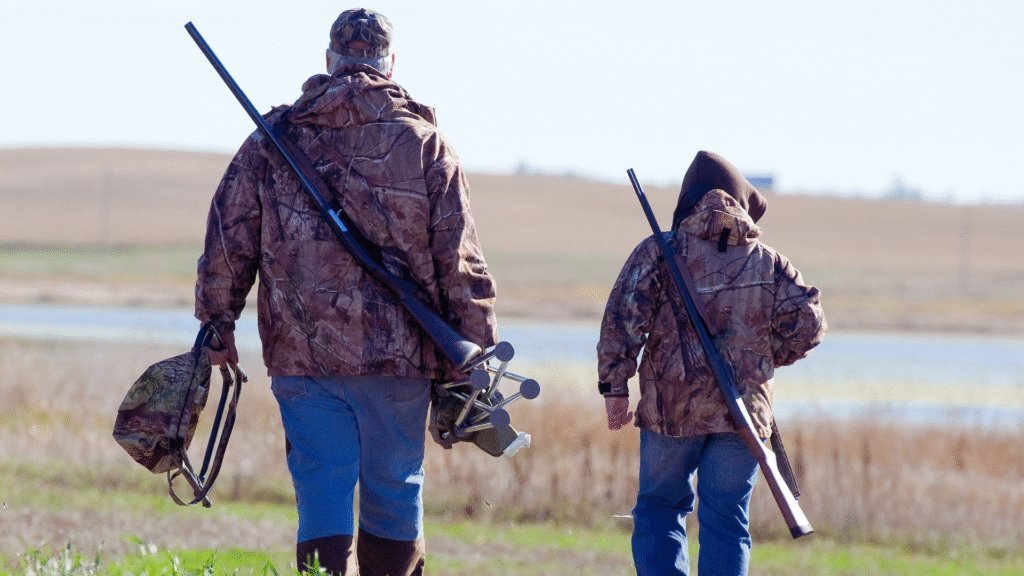
Planning a hunting trip can seem overwhelming for beginners, but with the right guidance, it becomes an exciting adventure. To ensure a successful and enjoyable hunting experience, preparation is essential, including choosing the right location, understanding local regulations, and gathering necessary gear. This guide aims to simplify the planning process by outlining key steps and considerations.
Individuals new to hunting may feel uncertain about where to start. Identifying the type of game, securing necessary permits, and familiarizing oneself with the terrain are crucial initial steps. Engaging with experienced hunters can provide valuable insights and recommendations that enhance the trip.
Successful hunting relies heavily on proper planning and execution. By following practical advice and resources, newcomers can approach their trips with confidence, ensuring they make the most of their experience in the great outdoors.
Understanding Hunting Trip Basics
Planning a hunting trip involves several crucial elements, including defining goals, knowing the types of game, and adhering to ethical practices. Each of these factors shapes the success and enjoyment of the experience.
Defining Your Goals and Expectations
Setting clear goals is essential for any hunting trip. Hunters should consider what they hope to achieve, whether it’s harvesting game, spending time outdoors, or developing their skills. This determination helps in selecting the right location and preparing adequately.
For example, a hunter focused on trophy hunting will prioritize different locations and species than someone interested in a family outing for food. Understanding the scale of the trip is also key, as this influences time, budget, and equipment choices.
Expectations should align with the reality of the activity. Hunters should prepare for unforeseen challenges, including weather changes and varying animal behaviors.
Types of Game and Their Requirements
Each type of game hunted has specific requirements regarding habitat, season, permits, and techniques. For instance, big game such as deer and elk typically require tracking skills and a sturdy rifle, while small game, like rabbits or birds, may need different gear.
Local regulations play a significant role as well. Anderson hunting zones, animal seasons, and license requirements must be checked in advance. Familiarizing oneself with local regulations ensures compliance and contributes to responsible hunting.
Hunters should also consider the animals’ behavioral patterns. Understanding feeding times and migration patterns can increase the likelihood of a successful hunt.
Ethical Hunting Practices
Ethical hunting practices are paramount for sustainability and conservation efforts. Respect for wildlife and the environment should guide every decision. This includes following all laws, such as licensing requirements and seasonal restrictions.
Hunters should also practice fair chase principles, ensuring that the pursuit doesn’t unfairly advantage them over the game. This means avoiding techniques that are harmful or unsporting, such as baiting in some contexts.
Caring for the game after a successful hunt is crucial. This includes proper field dressing, using as much of the animal as possible, and reporting the harvest to maintain accurate conservation records. Engaging in these practices fosters respect for the sport and its future.
Legal and Safety Preparations
Planning a hunting trip involves several legal and safety considerations essential for a successful experience. Attention to hunting licenses, regulations, and education ensures compliance and promotes responsible practices in the field.
Hunting Licenses and Permits
Before heading out, securing the appropriate hunting license is crucial. Each state has specific requirements based on the type of game hunted. Here are key points to consider:
- Research Requirements: Check state wildlife agencies for information on licenses. Requirements vary significantly between regions.
- Types of Licenses: There are different categories of licenses, including resident, non-resident, and youth licenses.
- Permits for Special Areas: Some locations may require additional permits, especially for special hunts or management areas.
Purchasing a license usually involves a fee, which supports wildlife conservation and management efforts.
Complying with Hunting Regulations
Hunting regulations are in place to maintain sustainable wildlife populations. Familiarity with these rules ensures both safety and legal compliance.
- Seasonal Regulations: Each game species has designated hunting seasons. It’s vital to be aware of opening and closing dates.
- Bag Limits: Most regions impose bag limits to prevent overhunting. Always verify limits for the particular game they intend to hunt.
- Weapon Restrictions: Regulations often specify the types of firearms or bows allowed. Ensure compliance with these stipulations to avoid penalties.
Failure to comply with hunting regulations can result in fines or the loss of hunting privileges.
Hunter Education and Safety
Hunter education courses are essential for promoting safety and responsibility among hunters. In many states, completing such a course is mandatory before obtaining a license.
- Course Content: These courses cover safe firearm handling, conservation, and wildlife identification. Participants learn essential skills for a safe hunting experience.
- Certification Requirements: Check local laws, as many states require certification from a recognized program. This program often includes both classroom instruction and practical hands-on experience.
- Safety Measures: Understanding safety protocols, including wearing orange clothing and proper scouting techniques, is integral to ensuring a safe hunting environment.
Completing a hunter safety program not only improves skills but may also be a legal requirement.
Understanding Public Hunting Opportunities
Public hunting lands provide accessible options for many hunters. Knowledge of these resources enhances the hunting experience while promoting conservation.
- Types of Public Lands: Familiarize oneself with various public lands, including state parks, wildlife management areas, and national forests. Each location may offer different hunting opportunities.
- Registration: Some public lands may require registration before the hunt begins. It’s crucial to understand the specific rules governing each area.
- Maps and Resources: Use state-provided maps and online resources to identify available hunting spots. Many state wildlife agencies offer tools for locating public hunting opportunities.
Exploring public land options allows hunters to engage with nature while contributing to wildlife conservation through the responsible use of shared resources.
Essential Gear and Equipment
Preparation is key for a successful hunting trip. Essential gear includes firearms, clothing, field equipment, and emergency supplies. Each item plays a critical role in ensuring safety, comfort, and effectiveness in the field.
Firearms and Ammunition Selection
Choosing the right firearm is fundamental for hunting success. Depending on the game, options may include rifles, shotguns, or handguns.
Common Firearm Types:
- Rifles: Best for larger game, offering accuracy at longer ranges.
- Shotguns: Suitable for birds and small game, providing a wider shot spread.
Selecting ammunition is equally important. Hunters should consider:
- Caliber: Match the caliber to the game type.
- Bullet Type: Soft point for expansion, full metal jacket for penetration.
Proper maintenance of firearms ensures reliability. Regular cleaning and appropriate storage are essential practices.
Field Equipment Checklist
Every hunt requires specific gear beyond firearms. A checklist simplifies preparation and ensures nothing is overlooked.
Essential Field Items:
- Binoculars: Aid in locating game from a distance.
- Decoys: Effective for luring in specific species, especially waterfowl.
- First Aid Kit: A must for addressing any injuries promptly.
Other useful items include:
- Flashlights: Crucial for early morning or late evening hunts.
- Hunting Knife: Necessary for field dressing game and various tasks.
Ensuring adequate supplies will enhance the hunting experience and maintain safety.
Clothing and Personal Gear
Proper clothing is crucial for staying comfortable and protected. Layering is advisable to manage varying weather conditions.
Key Clothing Items:
- Base Layers: Moisture-wicking materials help regulate body temperature.
- Insulating Layers: Fleece or down jackets provide warmth.
- Outer Layers: Waterproof and windproof jackets protect from the elements.
Footwear should be durable and comfortable, with insulation as required. Accessories like hats and gloves can enhance warmth and concealment.
Personal gear should include items such as:
- Sunglasses: Protect eyes from glare.
- Insect Repellent: Necessary in warmer months to ward off pests.
Navigation and Emergency Supplies
Navigation tools are vital for safe travel in unfamiliar areas. A reliable compass and topographic map should be included in any hunting pack.
Essential Navigation Tools:
- Compass: Provides direction when trails are unclear.
- GPS Device: Offers precise locations and waypoints.
Emergency supplies extend beyond navigation. A well-stocked survival kit is essential for unexpected situations.
Emergency Kit Items:
- First Aid Supplies: Bandages, antiseptics, and important medications.
- Fire Starting Tools: Waterproof matches or lighters.
- Emergency Blanket: Provides warmth in critical situations.
Packing these supplies ensures preparedness for any scenario that may arise during the hunt.
Planning and Execution Strategies
Effective planning and execution are pivotal for a successful hunting trip. Attention to detail in terrain scouting, skill development, and connecting with the hunting community enhances the overall experience and increases chances of success.
Scouting and Assessing Terrain
Scouting involves mapping out the hunting area well in advance. This allows hunters to identify key features such as water sources, food availability, and potential animal trails.
Using tools like topographic maps and GPS devices can provide invaluable information about elevation changes and accessibility.
Key considerations include:
- Wildlife patterns: Observe movement tracks to anticipate animal behavior.
- Weather conditions: Weather can drastically affect hunting. Be sure to check long-range forecasts.
- Safety zones: Identifying areas that are safe for both the hunter and the game is critical.
Understanding the terrain enables better decision-making on the actual hunting day.
Practice Shooting and Skill Development
Regular practice is essential for honing shooting skills. Hunters should dedicate time to improve their marksmanship and handling of equipment.
They can start with basic drills and progressively increase difficulty through varying distances and conditions.
Useful tips for effective practice:
- Set clear goals: Focus on specific areas like accuracy or speed.
- Use a shooting range: Simulates real-life scenarios in a controlled setting.
- Train with gear: Practice using the same equipment expected during the hunt.
Skill development goes beyond shooting. It also includes understanding animal behavior and tracking techniques.
Building Connections in the Hunting Community
Networking within the hunting community can enrich the hunting experience. Engaging with other hunters provides opportunities to learn from their experiences and challenges.
Ways to connect include:
- Joining local hunting clubs: This can lead to shared resources and group hunts.
- Attending seminars and workshops: Many organizations offer sessions for skill enhancement.
- Online forums and social media groups: A platform to exchange tips and advice.
Developing relationships within the community frequently leads to valuable mentorship and increased knowledge about local hunting practices, enhancing the overall experience.